Exploring Winesellers’ Commitment to Organic & Sustainable Winemaking
Sustainability isn’t one‑size‑fits‑all. Across the Winesellers portfolio, producers embrace a range of responsible practices designed to protect biodiversity, reduce environmental impact, and support long‑term vineyard health. These practices include:
- Certified organic farming, eliminating synthetic pesticides and herbicides
- Biodynamic and regenerative methods, focused on soil vitality and ecosystem balance
- Natural and minimal‑intervention winemaking, allowing terroir to speak clearly
- Vegan‑friendly production, avoiding animal‑based fining agents
Many Winesellers wines carry recognized certifications, while others adhere to sustainable principles that go beyond labels—because doing the right thing in the vineyard matters just as much as what’s printed on the bottle.
Spotlight on Organic & Sustainable Brands
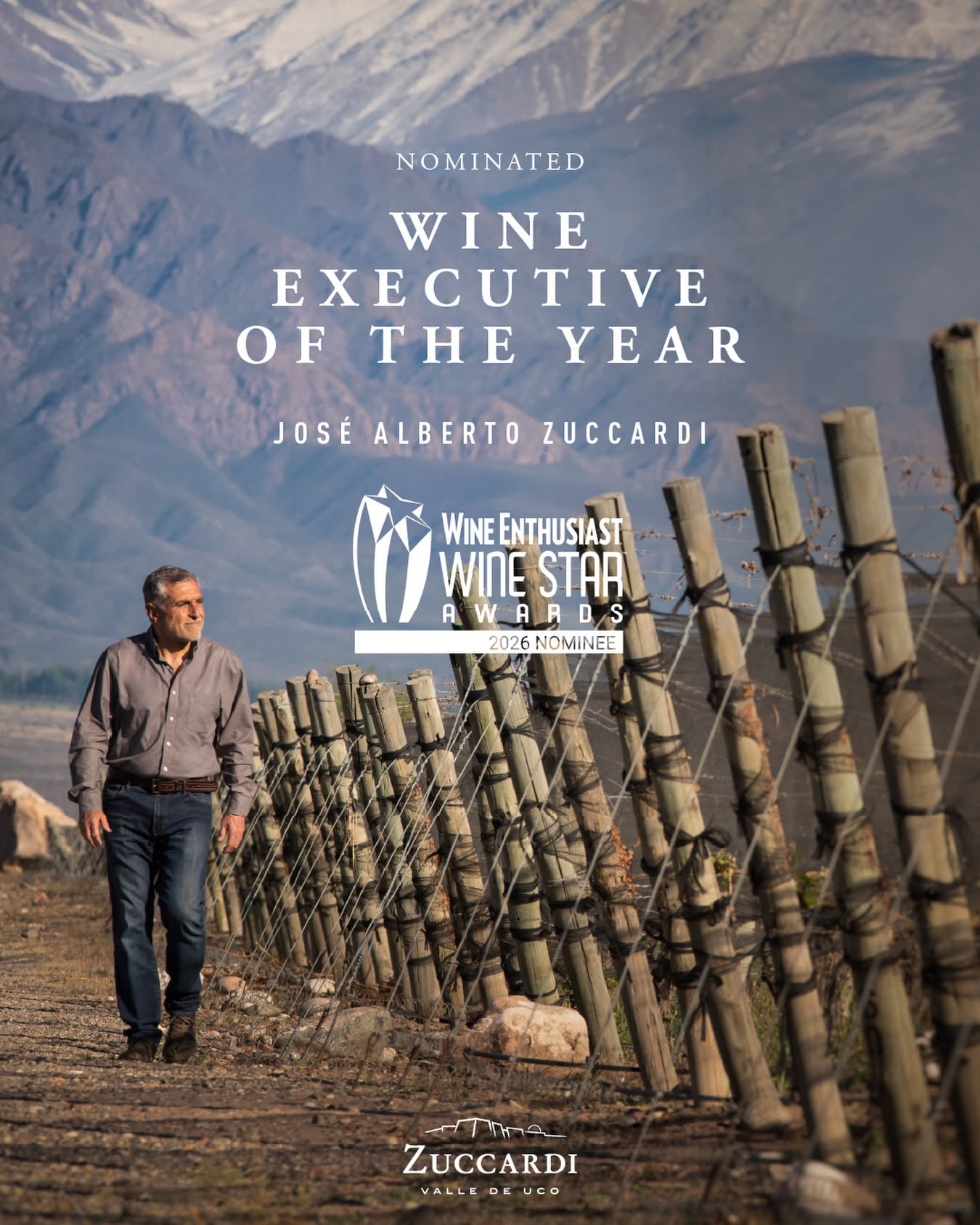
Santa Julia (Argentina)

As one of the most recognized organic wine producers in Argentina, Santa Julia is a leader in holistic sustainability. The winery farms organically at scale while also investing in renewable energy, compost production, and community initiatives. Its expansive range—from classic organic Malbec and Chardonnay to playful natural wines and pét‑nats—proves that sustainability can be both serious and fun.
Kind of Wild Wines (Global)
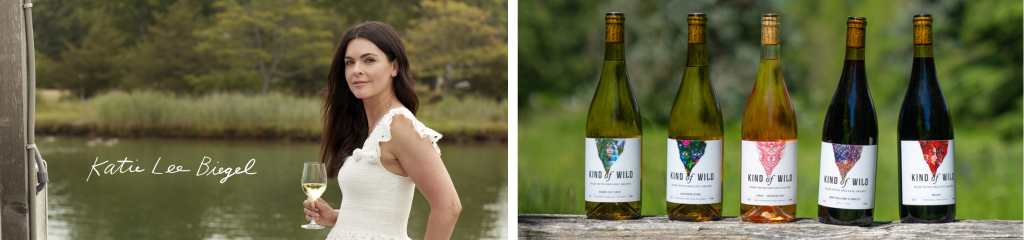
Co‑founded by the Sager family of Winesellers and chef Katie Lee Biegel, Kind of Wild brings a modern, globally sourced approach to organic wine. Produced with certified organic grapes and crafted to be vegan and zero sugar, Kind of Wild makes sustainable wine feel approachable, stylish, and easy to enjoy. The brand also gives back through 1% for the Planet, reinforcing its commitment beyond the bottle.
Tortoise Creek (California)
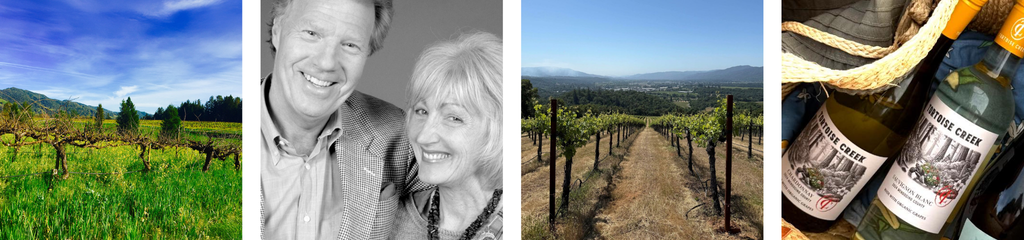
Founded in 1997 by the Sager and Master families, Tortoise Creek is a California pioneer in organic and sustainable winemaking. Rooted in Mendocino County, the brand works closely with small, certified organic growers who prioritize long‑term vineyard health, biodiversity, and responsible land stewardship. Tortoise Creek also pairs sustainability with meaningful action. The brand proudly donates 1% of annual revenue to support tortoise and turtle conservation, reinforcing the connection between agriculture and environmental preservation.
Pratsch (Austria)

From Austria, Pratsch wines reflect a deep respect for organic farming and vineyard expression. Known for Grüner Veltliner and other regional specialties, the estate emphasizes balance, biodiversity, and transparency—resulting in wines that are pure, vibrant, and food‑friendly.
Araucano (Chile)
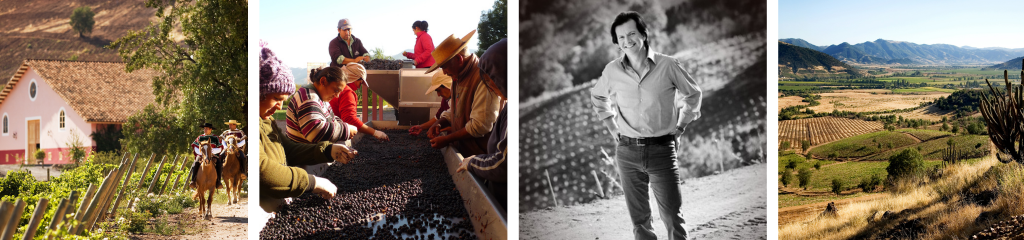
Araucano is rooted in organic and biodynamic farming in Chile’s Lolol Valley. The winery champions natural fermentation, native yeasts, and minimal intervention, crafting wines that showcase both place and philosophy. From classic Cabernet Sauvignon to experimental orange wines and pét‑nats, Araucano exemplifies innovation through sustainability.
Why Organic & Sustainable Wines Matter More Than Ever
Today’s wine drinkers are paying closer attention to how their wine is made—and rightly so. Organic and sustainably produced wines support:
- Healthier soils and ecosystems
- Greater biodiversity in vineyards
- Reduced chemical runoff and environmental impact
- Transparent, mindful production practices
For Winesellers, sustainability isn’t about perfection—it’s about progress. By working with family‑owned, estate‑driven wineries that share these values, Winesellers helps make responsibly made wine accessible to more people, across more categories and price points.
A Future Rooted in Responsibility
As the wine industry continues to evolve, Winesellers remains committed to championing producers who farm thoughtfully, innovate responsibly, and respect their environment. Whether you’re discovering organic wine for the first time or expanding a sustainable set, Winesellers’ portfolio offers something for every table—crafted with care from vine to glass.
Because great wine shouldn’t just taste good.
It should do good, too.